
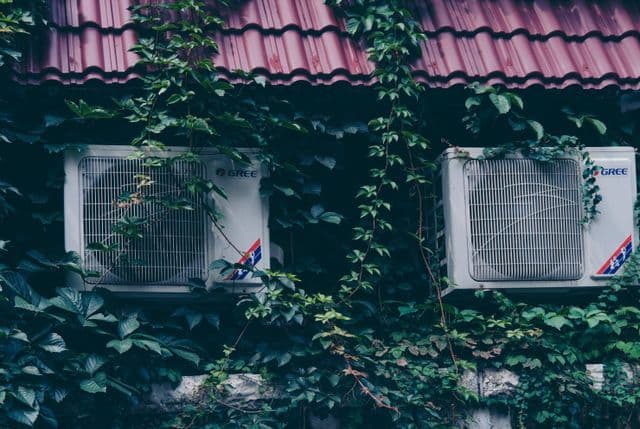
In the Veneto region, transitioning to an air-to-water heat pump (pompa di calore) requires rigorous assessment of the building envelope. Operating these systems in uninsulated structures with high thermal transmittance degrades thermodynamic efficiency, forcing continuous compressor operation and triggering exponential increases in electrical consumption.
""A heat pump's Coefficient of Performance (COP) dictates its viability. Generating 3 to 4 kWh of thermal energy per 1 kWh of electrical input is achievable, but only when system flow temperatures are minimized and structural heat loss is eliminated.""
Replacing a combustible gas boiler with thermodynamic heating demands precise load calculations. Arvand Termo Tec executes thermal audits, flow rate analyses, and system integration across Mestre, Venice, and Padua to validate technical feasibility before installation. Contact us via WhatsApp for a verified technical inspection (sopralluogo).
Request a quoteSystem Compatibility and Thermal Limitations
Heat pumps mandate low-temperature hydronic distribution (typically 35°C to 45°C). They achieve peak efficiency exclusively with underfloor radiant heating or high-volume fan coils. Retrofitting a heat pump to legacy cast-iron radiators—which require supply temperatures exceeding 65°C to effectively heat a room—creates a critical thermal deficit. The pump will fail to reach the ambient setpoint, drastically increasing operational costs while leaving the property cold.
Dual Functionality and Electrical Integration
Modern reversible heat pumps consolidate winter heating and summer cooling into a unified architecture. However, Veneto's high winter humidity induces frequent evaporator coil freezing, necessitating energy-intensive defrost cycles. Maximizing return on investment requires bridging the heat pump with a correctly dimensioned photovoltaic array and battery storage system, effectively severing grid reliance for thermal generation.